
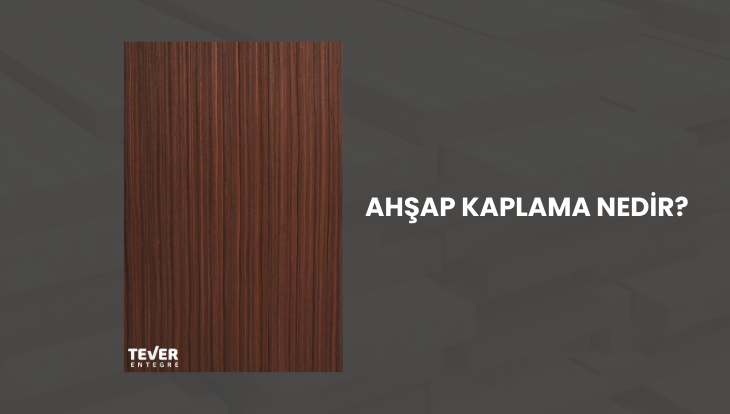
It is a type of surfacing material produced from processed wood that provides a natural wood finish. Wood veneer can be made using two types of wood species: hardwoods and softwoods. Hardwoods are typically deciduous (leaf-shedding in the fall) trees and include species such as cherry, walnut, oak, poplar, and mahogany. Softwoods, on the other hand, include pine, cypress, cedar, fir, and sequoia. Expensive and luxury veneered furniture is generally produced from fine hardwoods such as oak, cherry, and maple.
Some wood species have natural variations in tone and color. Because this can cause color differences from one sheet to the next, our manufacturers apply a coloring or staining process during veneer production. This eliminates color variations and prevents an inconsistent appearance.
Where Can You Use Wood Veneer and Cladding?
It is possible to construct a home entirely out of wood; for example, you can use wood cladding for the façade. Beyond this, its use in interior spaces is also quite extensive. It is a common choice for floors, walls, ceilings, doors, windows, stairs, and kitchen furniture.
Its use in outdoor spaces is also widespread. You can achieve a natural look in your home’s garden, around pool decks, and on verandas with the use of wood. In short, it is suitable for many types of furniture and surfaces, with the exception of wet areas.
Advantages of Wood Veneer
What is Engineered Wood Veneer?
Engineered wood veneer is composed of multiple thin layers of real wood veneer. Each of these layers is dyed individually. Through specific methods, these dyed layers are bonded together to form a solid, laminated block. This block is then re-sliced using various technical cutting methods to produce new veneers with controlled patterns, ready for furniture production.
In the production of engineered veneer, manufacturing lines are used that are designed to remove naturally occurring toxic substances, ensuring that the final product is created without polluting the environment.
The objective is to protect endangered tree species, increase forest sustainability, and leave a greener world for future generations. Therefore, fast-growing trees from plantations and managed forests are ideal for the production of this type of veneer.
Advantages of Engineered Wood Veneer
Wood Protection
Using wood, a natural building material, adds an elegant look to our homes. Of course, it is also important to be able to preserve this elegance for a long time. We must be especially careful with exterior façades, particularly in locations with harsh weather conditions and strong winds. Factors such as sunlight, water, moisture, and various biological agents are highly effective in causing the degradation of wood. Therefore, protecting the wood through the use of appropriate products and correct application is just as important as the selection of the wood and the construction process itself.
Furthermore, it is necessary to select the right paints and to treat the wood with chemical preservatives using various methods in order to extend its service life.
On exterior facades, wood decay from direct water contact is prevented by using microporous, “breathable” paints. These paints are resistant to sunlight and outdoor elements, repel liquid water, and allow any trapped water vapor to escape.
© 2025, TEVER ENTEGRE. All Rights Reserved.